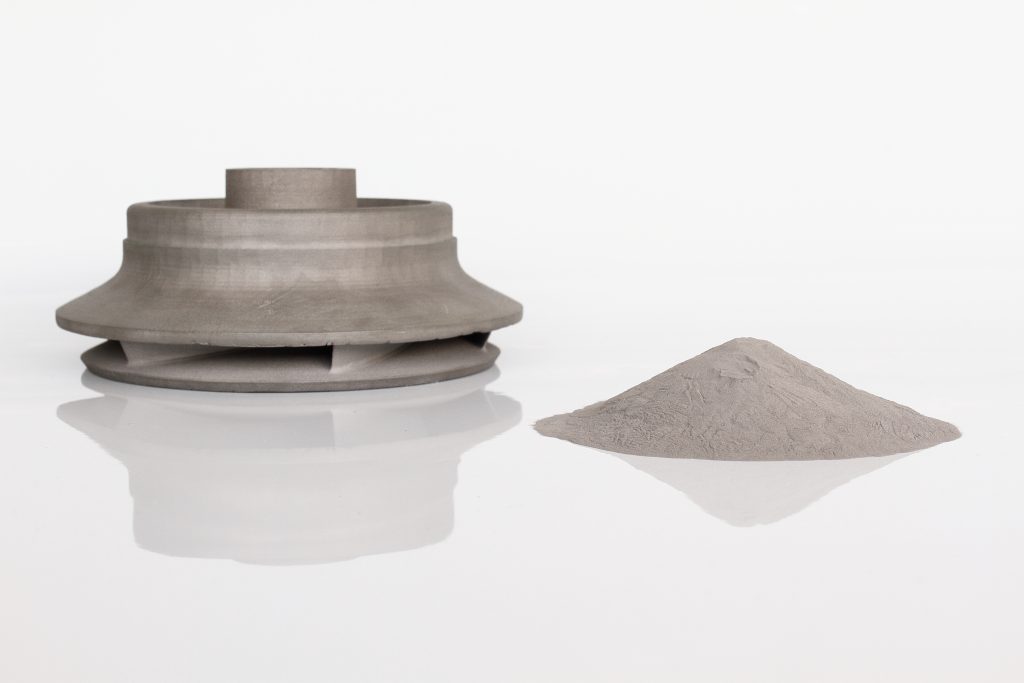

Support Structures are known as “the necessary evil” of AM, and they play a key role in any successful project.
While they prevent the part from collapsing under its own weight during the build process, they also have a critical heat-dissipation function. At the same time, metal support structures play a key role in post-processing because removing them is a time-consuming and critical job, which can raise the cost per part dramatically, and even compromise quality.
Most importantly, support structures can limit freedom of design because of the need to be accessible for removal. Discover how our TEM process can help you overcome those issues.
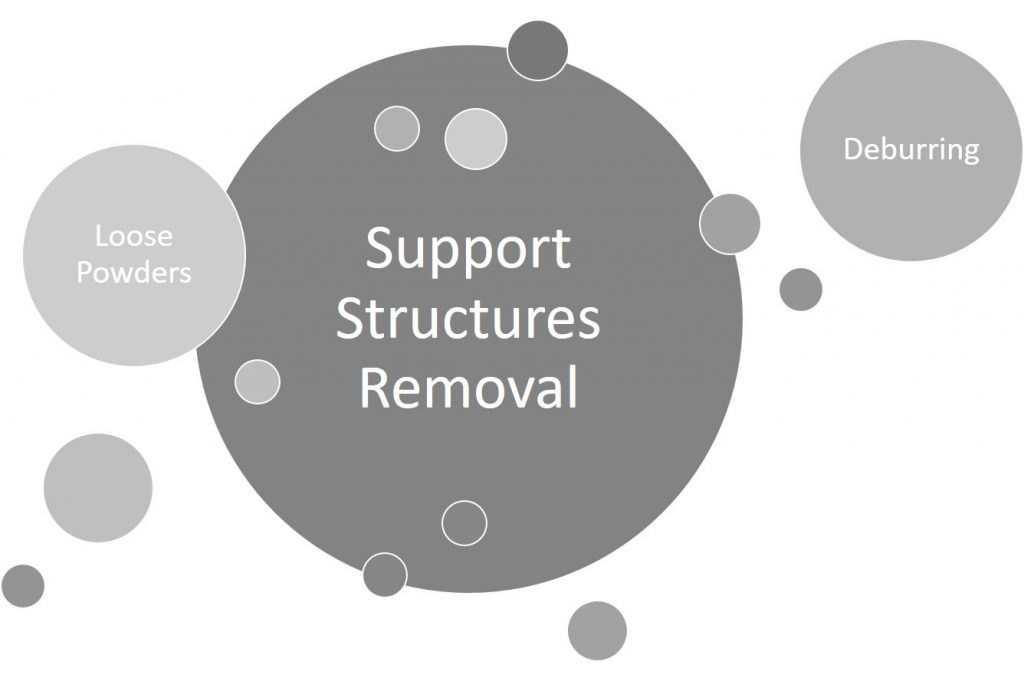
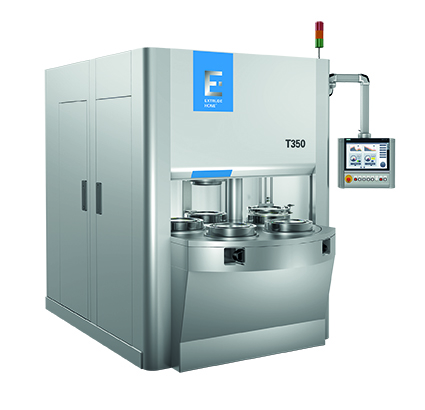
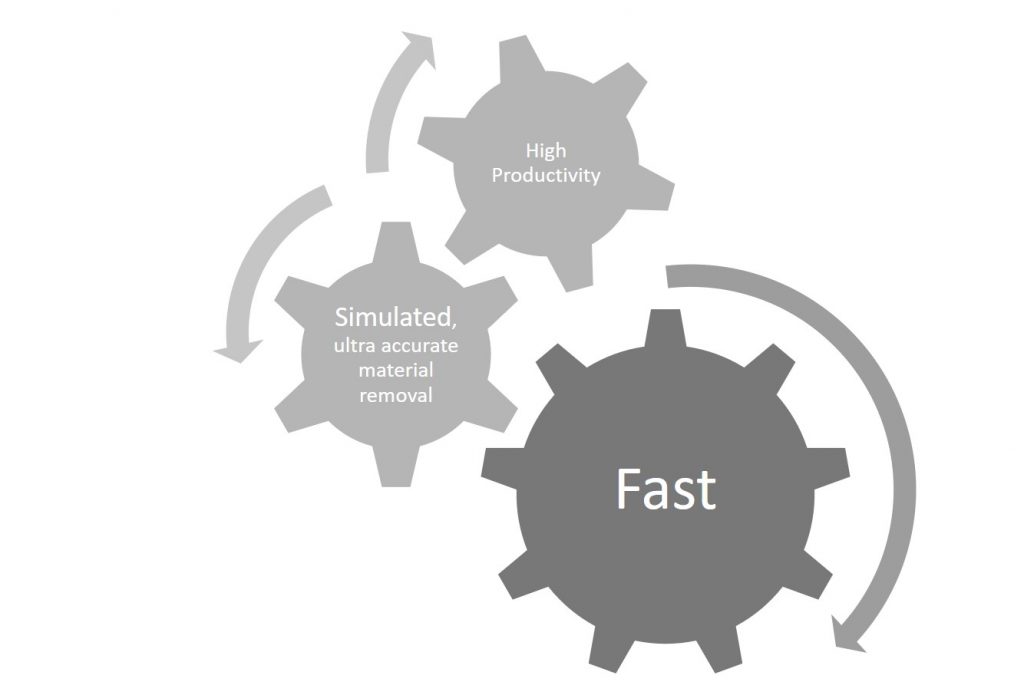
The TEM (Thermal Energy Method) process utilizes the combustion of methane gas within a pressurized chamber to remove internal and external burrs, flashings and other hidden contaminants from workpieces through an oxidation reaction. However now the TEM process is beginning to show its value in the world of Additive Manufacturing — the consistency, uniformity and controllability of material removal through the TEM process makes it a reliable solution for some of the emerging problems associated with AM.
The effectiveness of using gas as a non-abrasive deburring media during the process results in no surfaces scratched, no burr being inaccessible, and no contaminant missed. This is key to Additive Manufacturing, where partially-sintered material and loose powder can accumulate in critical areas of the workpiece, including hard-to-reach internal cavities. This process can also be used a solution for the removal of support structures needed to create more complex workpieces.